Recent Posts

When Agents Break
The growing shift in tech reframes traditional software as “AI agents,” promising systems that act rather than simply respond, but in reality these agents operate within guided, probabilistic boundaries rather than true autonomy. Today’s AI agents fail differently from traditional software—not with clear crashes, but through ambiguous, often confident decisions that can be subtly wrong and difficult to trace. This tension, along with the idea that many agents are essentially rebranded SaaS, emphasizes the need to design for visible, controllable failure rather than assuming reliability.

The End of Cold Start: How I used AI to ramp up on a new codebase
How has AI changed software development?

The AI Trust Gap: Why Most Americans Are Still Skeptical of Artificial Intelligence
Public skepticism toward AI stems less from its capabilities and more from a lack of trust, driven by its rapid pace of development, job displacement fears, sensationalized media narratives, and limited transparency. Many people feel uncertain and out of control as AI evolves faster than they can understand or adapt. While AI can enhance productivity, it cannot truly replace human creativity or original thought, making it better understood as a tool rather than a substitute for human intelligence.

AI in Animatronics
An exploration of how artificial intelligence is transforming animatronics from scripted machines into lifelike, interactive characters. Through personal reflections and the excitement surrounding innovations like the new Olaf animatronic at Disneyland, this article looks at how AI is creating more emotional, immersive, and unforgettable experiences.
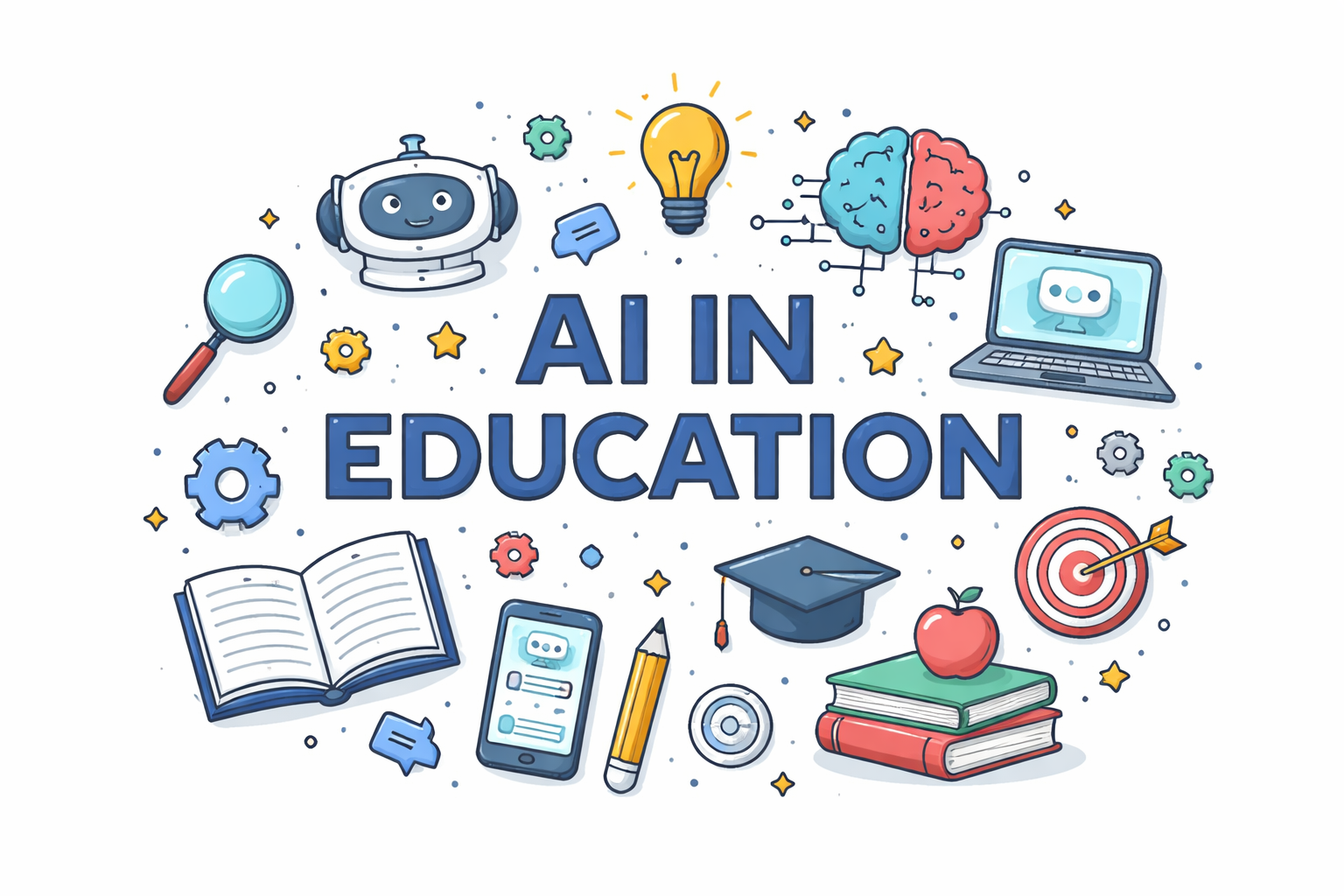
Personalized Learning Through AI Tutors
AI tutors are reshaping education through personalized learning experiences tailored to each student’s pace, strengths, and learning style. It also examines the benefits, challenges, and future potential of combining artificial intelligence with traditional teaching methods.
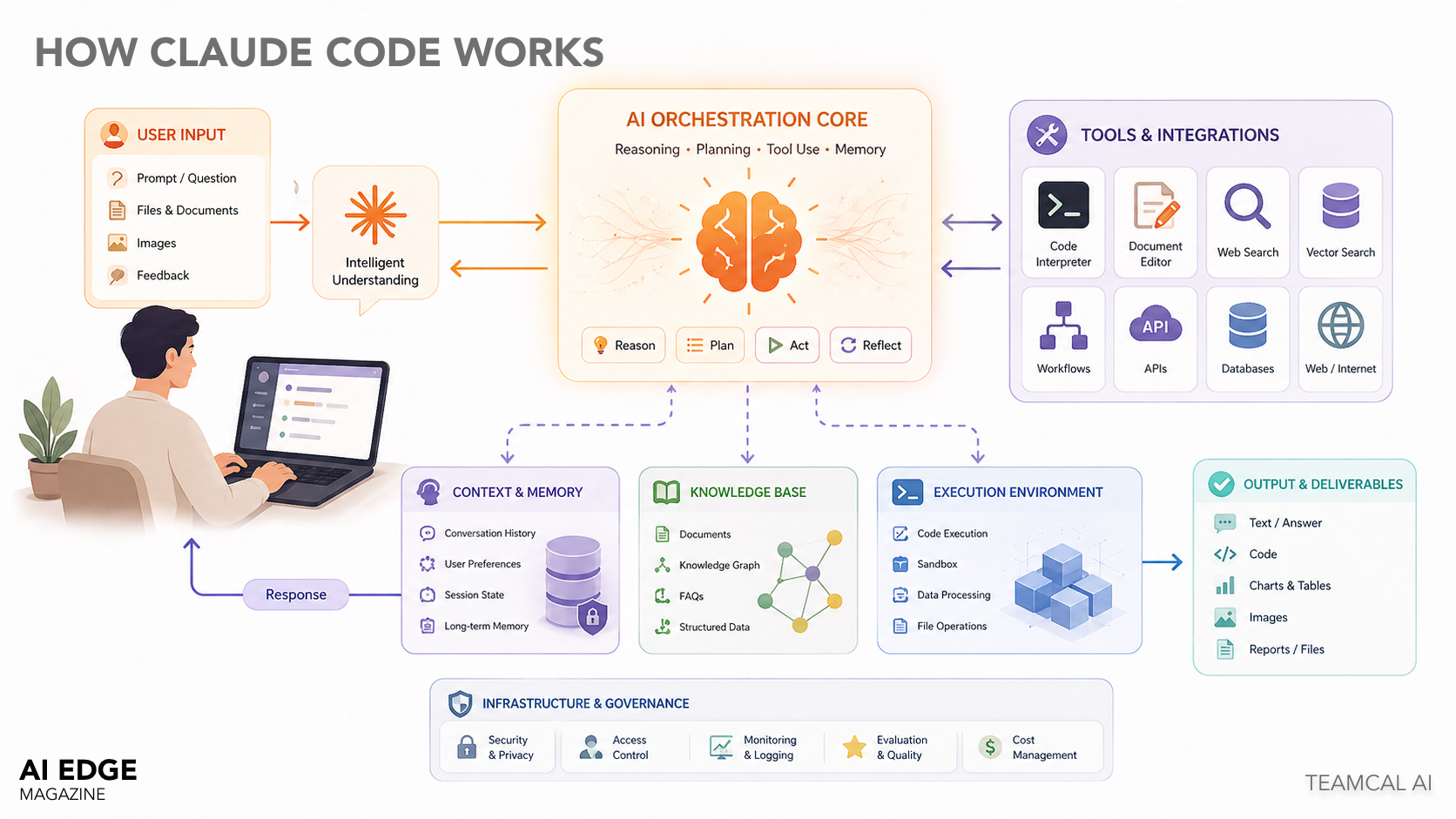
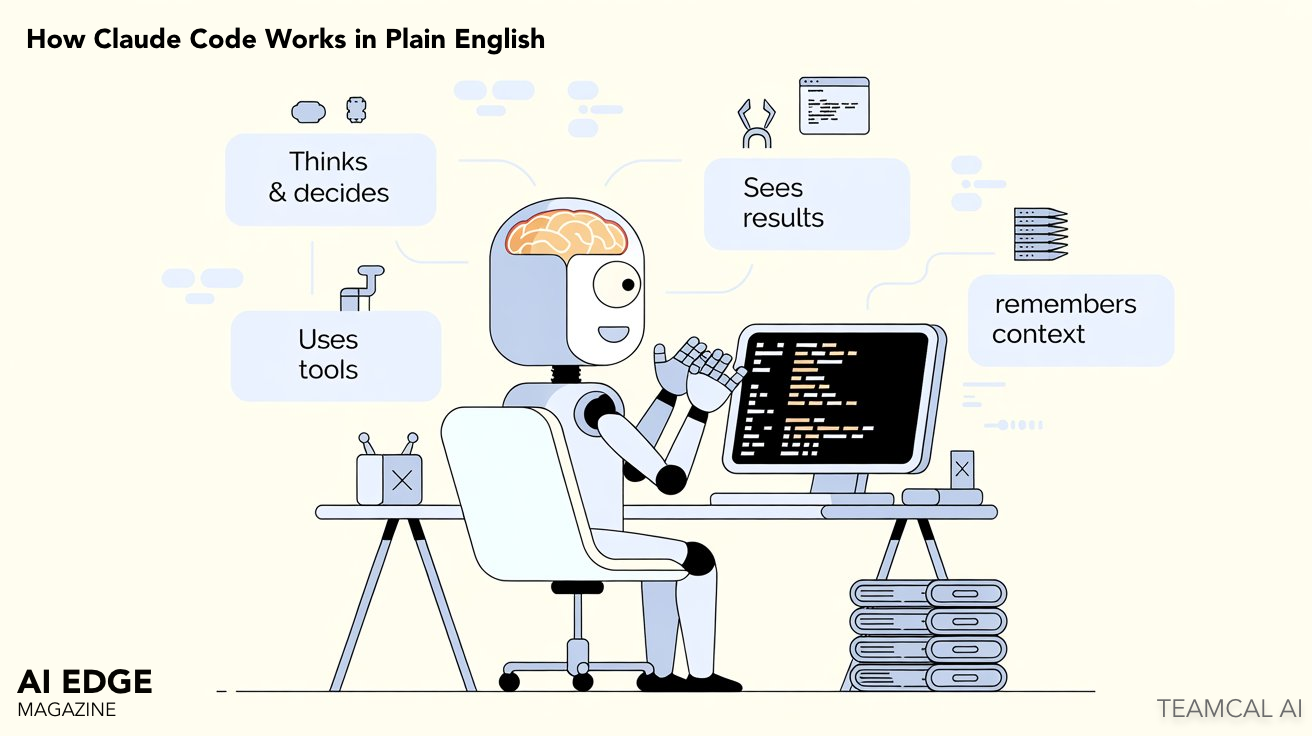
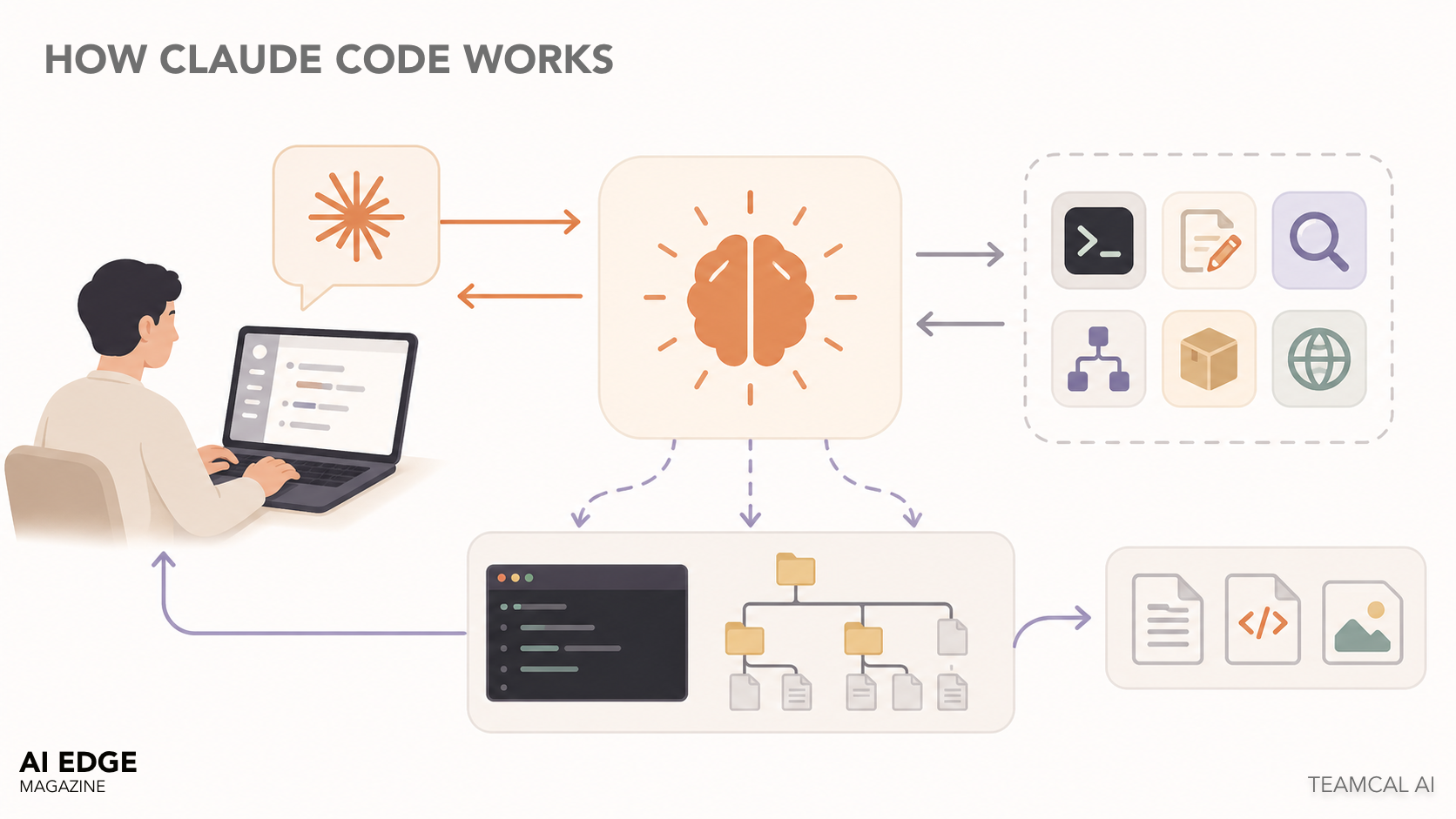
The *Architecture* of Claude Code
AsyncGenerator pipelines, the ReAct core loop, the dependency-injected permission system, write-ahead transcript persistence, and the six patterns composing the whole system.
Claude Code Explained to a *Business Executive*
The strategic case for Claude Code, written in the register of a board memo. Cost economics, the redeployment thesis, the safety model, and the one question to ask your CTO this quarter.